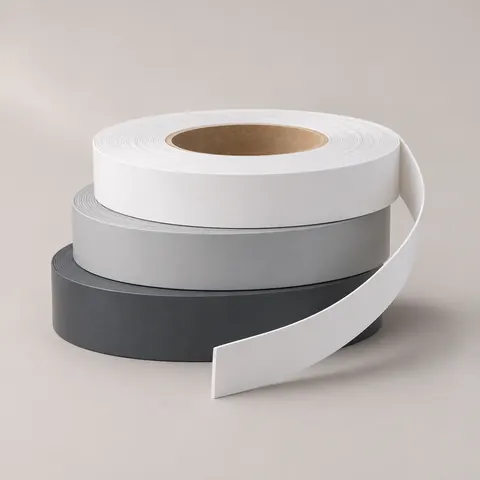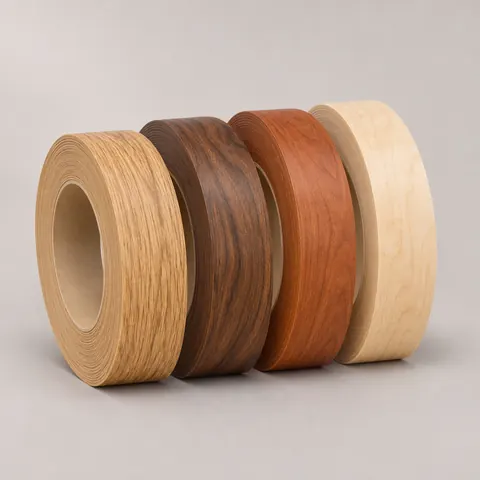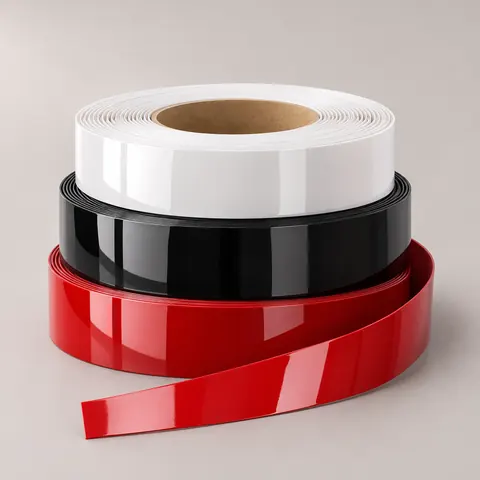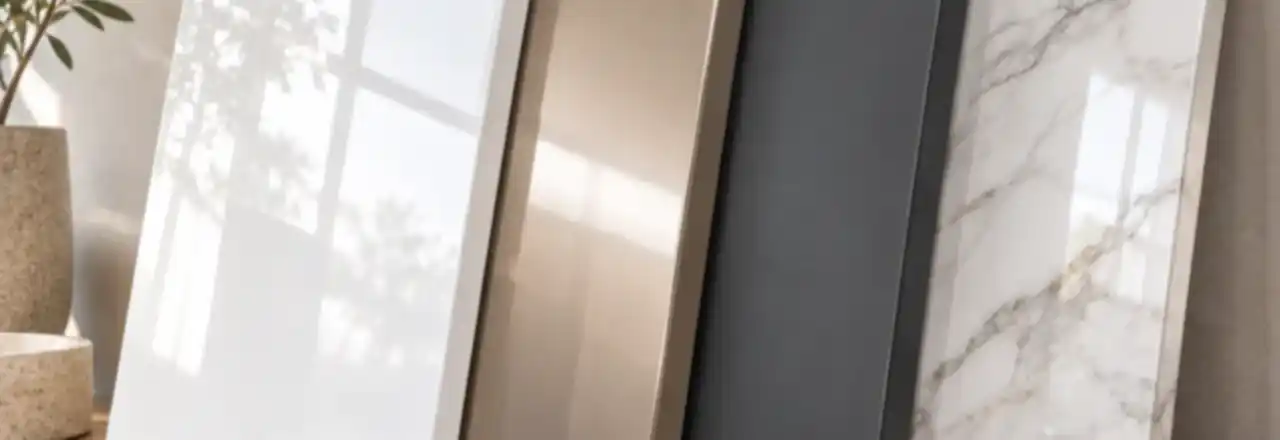
UV board is the hardest and most economical gloss surface, acrylic gives the deepest colour and mirror metallics, and PET/PETG offers an eco-friendly film with consistent colour in gloss or super matt. Pair UV and acrylic with high gloss or 3D acrylic edges, and PET with same-colour PET-matched edges.
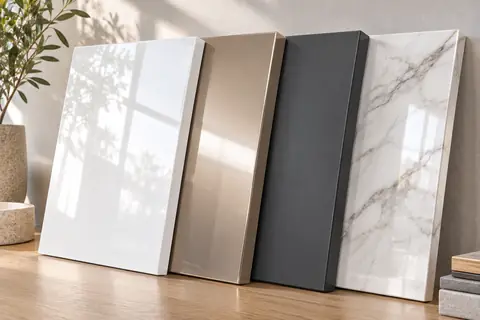
Side-by-side comparison
| UV MDF | Acrylic MDF | PET / PETG MDF | |
|---|---|---|---|
| Surface | Cured lacquer | PMMA sheet | Polyester film |
| Hardness | 2H–4H | About H | About 2H |
| Gloss and depth | High | Highest, deep colour | High, very even |
| Finishes | Gloss, super matt, marble | Gloss, matte, mirror metallics | Gloss, super matt, textured |
| Relative price | Lowest | Highest | Middle |
| Matching edge | High gloss PVC or 3D acrylic | Acrylic, two-tone 3D | Same-colour PVC/ABS |
UV MDF
UV lacquer is cured in seconds under ultraviolet lamps. A thick 0.3–0.5 mm coat resists scratches and cleaning chemicals and is the most cost-effective gloss door. Super matt UV, cured with excimer lamps, is the leading anti-fingerprint option.
Acrylic
A PMMA sheet laminated to MDF gives colour that looks like it sits under glass. It is softer than UV, so keep protective film on until installation, but it is the only way to get mirror gold, rose gold and champagne doors.
PET and PETG
PET films are recyclable and odourless, with a very even colour and no orange peel. They are a good middle ground for brands that want gloss or super matt with a better environmental story.
How to choose
- Start with the look: mirror metallic means acrylic; anti-fingerprint matt means super matt UV or PET.
- Check the use: busy family or commercial kitchens favour harder UV surfaces.
- Check the budget: UV is lowest, acrylic highest.
- Order the matching edge banding from the same factory to avoid colour mismatch.